March 26, 2026
Trends and Evergreen Themes in the Board Game Industry

Soma Gál
Community & E-Commerce Manager
(Or: what’s hot, what’s not, and why we’re still fighting over fantasy maps in 2025)
The Industry Never Sits Still
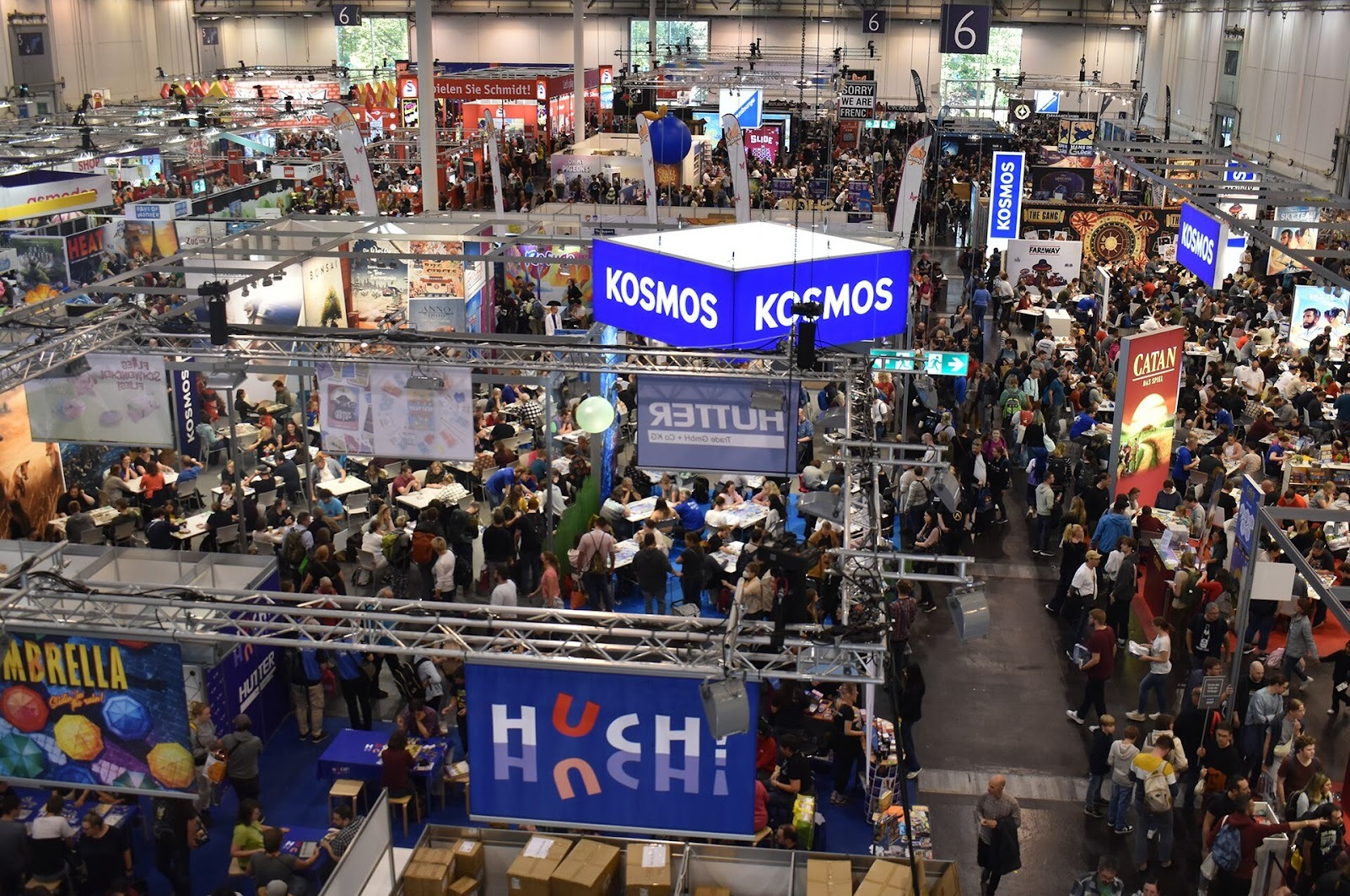
If you’ve spent any time on BoardGameGeek – or, frankly, in a queue at Essen – you’ll know one thing: the board game industry moves fast.
Every year brings a fresh wave of mechanics, themes, and production innovations. One year it’s all about roll-and-writes, the next it’s legacy games, then suddenly everyone is designing solo modes like their lives depend on it.
But here’s the twist: while trends come and go, some things never really leave. (Looking at you, medieval Europe.)
In this article, I’ll walk you through the current board game trends, highlight evergreen themes in board games, and try to answer the big question: where is all of this heading next?
Top 2025 Trends
1. Solo Modes Are No Longer Optional
Let’s start with the obvious: solo gaming is no longer a niche – it’s an expectation.
Scroll through recent releases on BoardGameGeek, and you’ll notice a pattern: even heavily multiplayer games now proudly feature a “1 player” icon. Whether it’s automa systems, scenario-based solo campaigns, or beat-your-own-score modes, designers are building for flexibility.
Why? Because players want options. Not everyone has a group ready at all times – and sometimes, you just want to optimize your engine in peace without Dave taking 10-minute turns.
Games like Scythe helped popularize robust automa systems, and now it’s almost a design standard.
Takeaway for designers: If your game doesn’t at least consider solo play, you’re leaving a significant audience behind.
2. Sustainability: Less Plastic, More Thoughtfulness
Another major shift in current board game trends is sustainability.
Publishers – and players – are becoming increasingly conscious of environmental impact. This shows up in:
- Reduced plastic inserts
- FSC-certified paper and cardboard
- Minimalist packaging
- “No shrink wrap” initiatives
Even crowdfunding campaigns now highlight eco-friendly production as a selling point.
It’s not just about optics either – it’s becoming part of purchasing decisions. Players are asking: Do I really need 300 plastic miniatures for this worker placement, moreover, tile-laying game?
(Spoiler: sometimes yes. But we’re at least thinking about it now.)
3. Deluxeification vs. Practicality
At the same time, we’re seeing a fascinating tension:
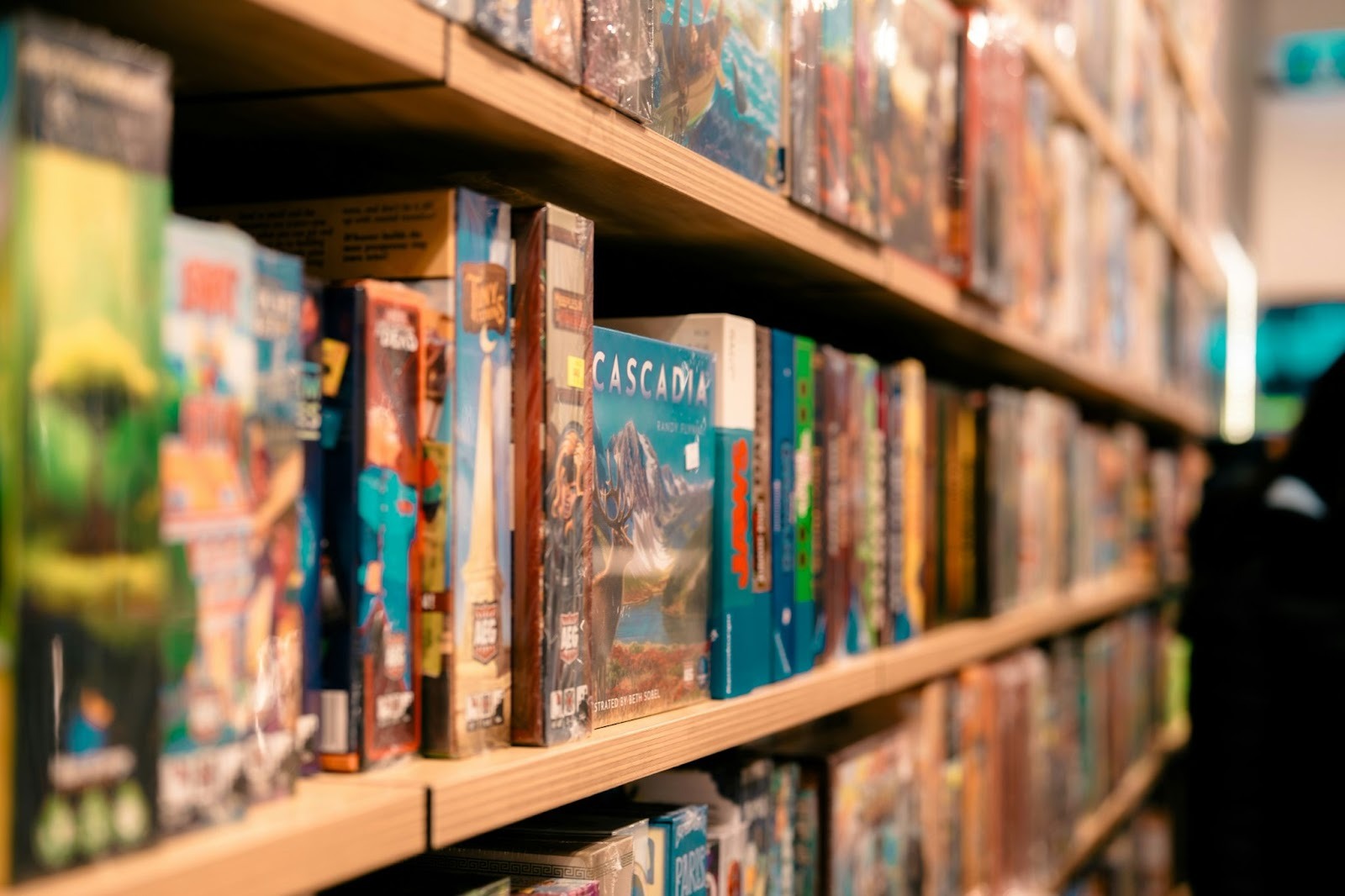
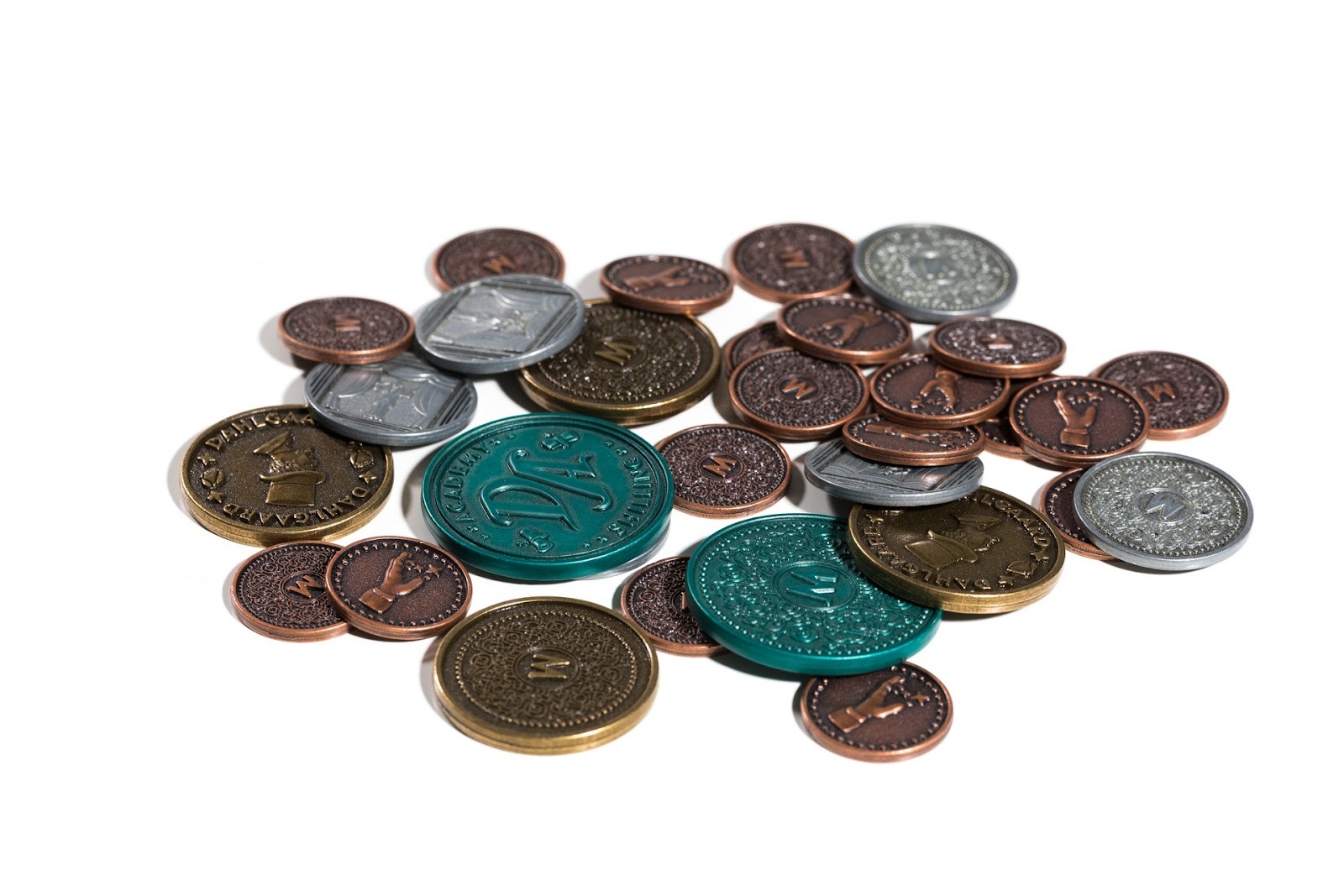
On one hand, deluxe editions with metal coins, neoprene mats, and sculpted miniatures are more popular than ever. On the other, there’s a growing appreciation for compact, travel-friendly games.
In other words:
- “I want a premium experience.”
- “Also, I need it to fit in my carry-on.”
This duality is shaping how games are designed and marketed. Publishers are increasingly offering standard + deluxe tiers, especially on crowdfunding platforms.
Takeaway: Flexibility isn’t just for gameplay – it’s for production too.
4. Hybrid Games and App Integration
App-supported games used to feel like a novelty. Now? They’re quietly becoming mainstream.
Titles like Destinies, Chronicles of Crime and the Unlock! series show how technology can enhance – not replace – the tabletop experience.
We’re seeing:
- Companion apps that remove bookkeeping (like we did for Voidfall)
- Narrative-driven experiences with audio/visual elements
- QR-based storytelling systems
The key shift is acceptance. Players are no longer asking “Why is there an app?” but “Does the app make this better?”
5. Shorter Playtimes, Bigger Decisions
Here’s a trend I personally love: games are getting tighter.
Designers are increasingly focusing on delivering meaningful decisions in shorter playtimes. The 3-hour epic still exists (and thrives), but there’s a growing demand for:
- 60–90 minute strategy games
- Quick setup and teardown
- High replayability without time commitment
This aligns perfectly with modern lifestyles – and convention realities. At Essen, you don’t have four hours to try something. You have 20 minutes and a line behind you.
6. Genre Blending Is the New Normal
Mechanics are mixing like never before. Deck-building meets worker placement. Area control meets legacy storytelling. Eurogames borrow from Ameritrash and vice versa.
A great example is Dune: Imperium, which combines deck-building and worker placement into something that feels both familiar and fresh.
This blending keeps the hobby exciting – and raises the bar for innovation.
7. Everything Old Is New Again (And Sometimes Deluxe)
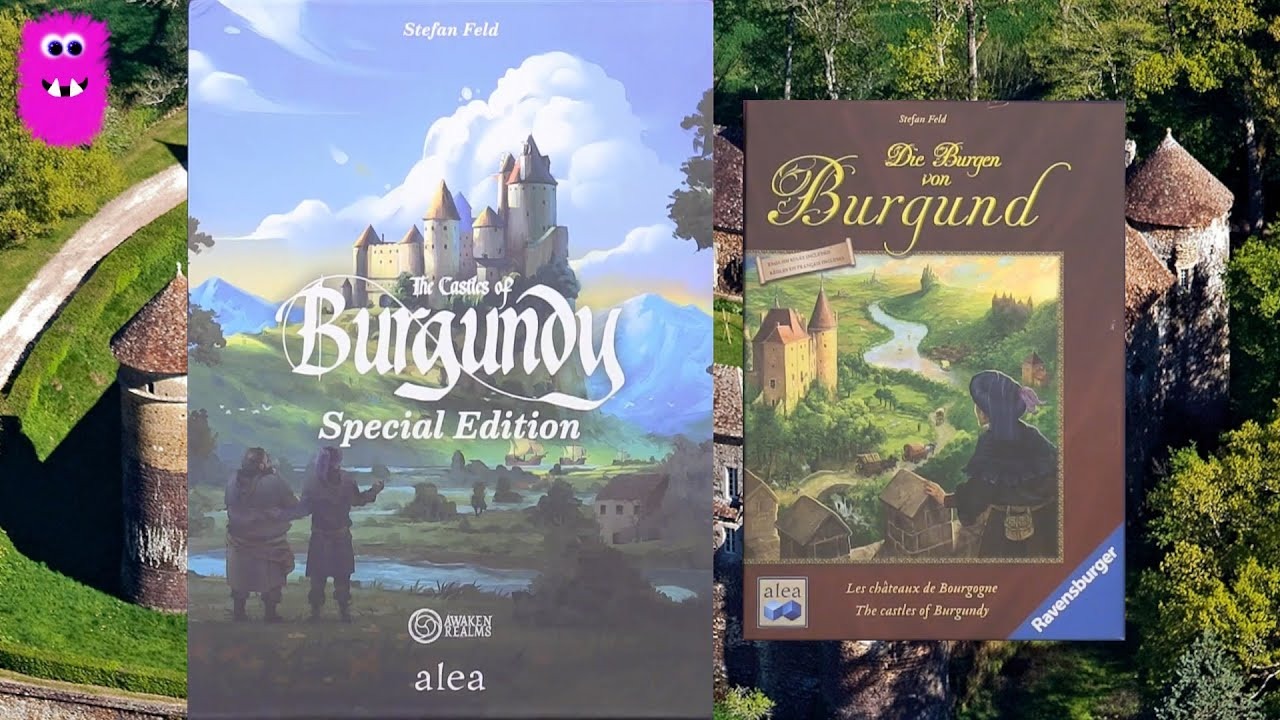
One of the more fascinating current board game trends is the revival of proven classics. Instead of chasing the next big thing, publishers are increasingly revisiting evergreen hits with updated editions, improved components, and modernized visuals.
We’ve seen this with The Castles of Burgundy getting a lavish Special Edition, Agricola continuing through revised versions, and Concordia returning with expanded editions like Venus – or, again, a Special Edition. Even The Voyages of Marco Polo and Goa will be refreshed and reintroduced for new audiences.
The appeal is simple: these games were already great. Now they’re easier to find, nicer to look at, and often smoother to play. Add a bit of nostalgia and upgraded production, and you’ve got a reliable recipe for success.
Takeaway: Sometimes innovation isn’t about reinventing the wheel – it’s about giving a classic design the edition it always deserved.
Themes That Stand the Test of Time
Now let’s talk about the evergreen themes in board games – the ones that just refuse to go out of style.
1. Fantasy
Fantasy is the undisputed champion of board game themes. Whether it’s epic adventures, dungeon crawls, or magical engine-building, players keep coming back for more.
Games like Gloomhaven and Descent: Journeys in the Dark dominate the charts year after year.
Why does it work?
- Escapism
- Rich storytelling potential
- Instantly recognizable tropes
Also: dragons. Always dragons. You hear me, Emberheart?
2. Sci-Fi and Space Exploration
Close behind fantasy is sci-fi – especially space-themed games. Colonizing planets, managing resources, and building interstellar empires never gets old.
Galactic Cruise is a prime example of a theme-mechanic synergy that resonates deeply with players – while still being silly and fun. 🙂 And of course, there is Terraforming Mars, the alpha example of sci-fi board games.
Why it endures: It combines strategy with imagination – and lets us pretend we understand science.
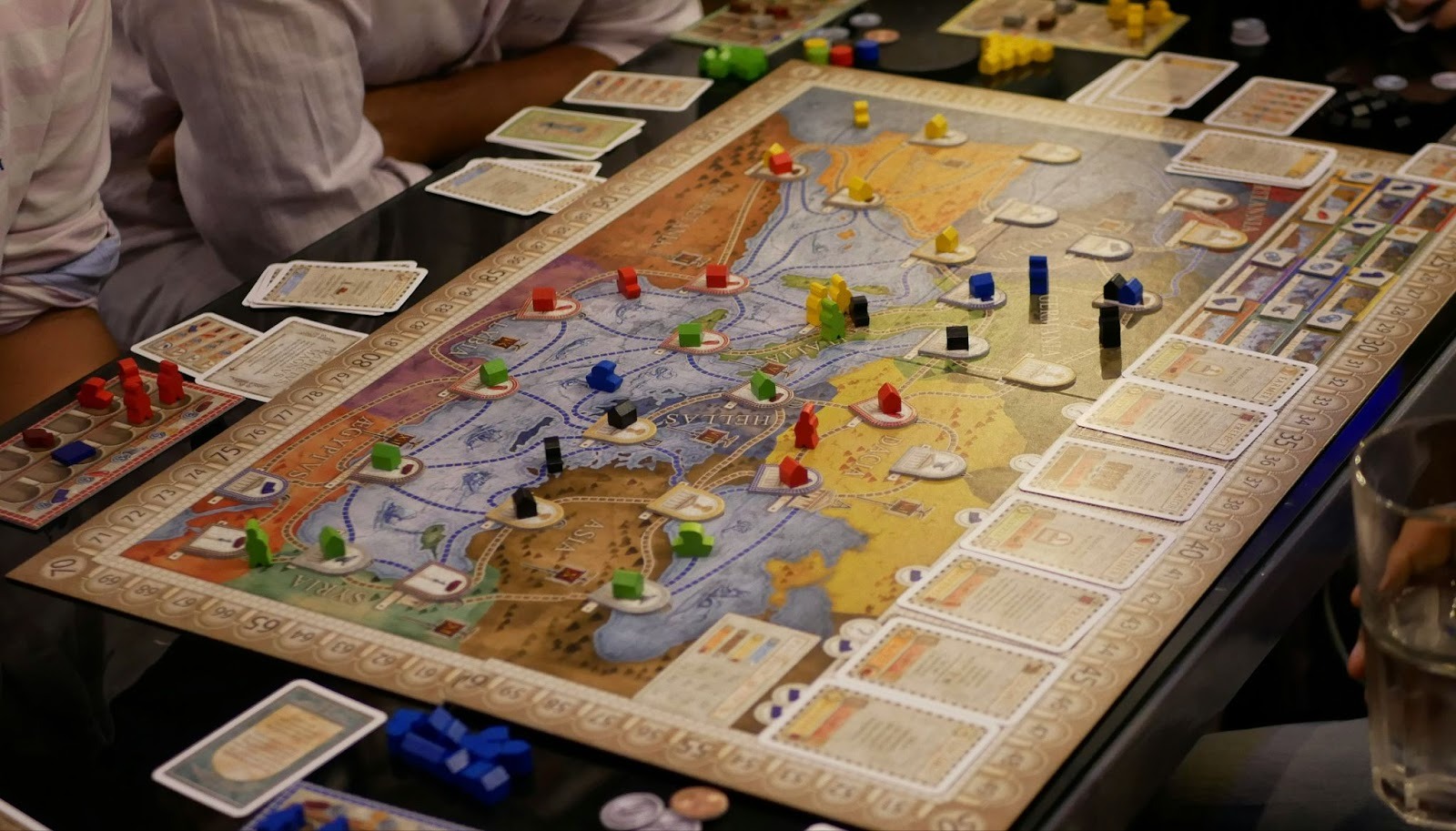
3. Historical and “Not-Quite-Historical” Europe
Let’s be honest: if you throw a stone at Essen, you’ll hit a game set in medieval or early modern Europe.
From trading in the Mediterranean to building cathedrals or even keeping the streets clean of feces, this theme is everywhere.
Why?
- It’s familiar but flexible
- It avoids licensing issues
- It pairs naturally with eurogame mechanics
It may not be flashy, but it’s incredibly reliable.
4. Nature, Animals, and Cozy Themes
Not every evergreen theme needs dragons or empires. In recent years, nature and animal-driven themes have proven they’re here to stay.
Games like Wingspan or Forest Shuffle showed that birdwatching can be just as compelling as conquering kingdoms, opening the door for a wave of calmer, more relaxing experiences.
These themes appeal because they’re:
- Accessible to a wider audience
- Visually inviting
- Perfectly suited to lower-conflict gameplay
Translation: Sometimes players want to build something beautiful.
5. Horror and Survival
While not as universal as fantasy, horror has carved out a loyal and lasting audience.
From dread in Arkham Horror to survival tension in Nemesis or Terrorscape, these games thrive on atmosphere and emotional stakes.
Why it sticks:
- Strong immersion
- Cooperative tension
- Memorable, story-driven moments
Horror games don’t just entertain – they create stories players retell for years.
What Are the Biggest Board Game Trends Right Now?
If we zoom out, the biggest current board game trends can be summarized as:
- Accessibility + depth: Easy to learn, hard to master
- Flexibility: Solo modes, scalable player counts
- Sustainability: Eco-conscious production
- Hybridization: Mixing mechanics and integrating tech
- Efficiency: Shorter, tighter gameplay experiences
In short: players want more options, more meaning, and less friction.
The Future of Board Games
So where do we go from here?
If I had to make a few predictions (and risk being quoted out of context in five years):
- Solo and cooperative experiences will keep growing
- Sustainability will become standard, not a bonus
- Digital integration will become invisible but essential
- Themes will diversify beyond the usual suspects
At the same time, those evergreen themes in board games – fantasy, sci-fi, historical settings – aren’t going anywhere. They’ll just keep evolving alongside new mechanics and player expectations.
Final Thoughts
The beauty of this industry is its balance between innovation and tradition.
We’re constantly experimenting with new ideas, yet we keep coming back to familiar themes and mechanics that just work. That’s not a contradiction – it’s a strength.
For designers, the challenge (and opportunity) is clear: innovate boldly, but respect what players already love.
And for players? Well, we’ll keep doing what we do best: buying too many games, arguing about rules, and somehow still making room for one more box on the shelf.