February 25, 2026
Finding the Right Match: Influencer Marketing in Board Games

Dorka Peter
Marketing & Social Media Manager
Influencer marketing plays a very important role in modern board game publishing. Whether you are preparing a crowdfunding campaign or planning a retail launch, working with content creators has become one of the core pillars of a marketing strategy. It is often how games first reach their audience in a meaningful way, especially for publishers who are still building their brand.
At the same time, the board game industry is very unique, because it sits somewhere between a product and a hobby. For many players, especially in the more complex strategy space, buying a game is not a quick decision. It can mean committing money, time, and often an entire group’s attention to learning and exploring a new title. These players compare mechanisms, look for innovation, watch full playthroughs, read forum discussions, and make very informed decisions before they back or buy.
On the other hand, many people discover modern board games through lighter, more accessible titles or party games. They might just want something fun for their next game night, and if the price makes sense or the theme resonates with them, they are perfectly happy to decide on the spot.
So the audience in this industry is not one big group that reacts the same way to the same message, like when someone is buying a washing machine, for example. It is much more layered. For us, publishing games both under the core Mindclash Games brand and the lighter Mindclash Play, this becomes very visible. A content creator who is perfect for a crowdfunded, heavier, strategic game might not be the right fit for a more accessible retail title. There is some overlap, of course, but the expectations and the depth of coverage needed are not the same.
Because of this, influencer marketing in board games is less about chasing pure visibility and more about finding the right content creator with the right audience for a specific game.
The Goal of Influencer Coverage: Momentum, Visibility, and Long-Term Trust
When we start planning a campaign, one of the first things we ask ourselves is what we actually want to achieve with influencer coverage. The answer is rarely just one thing.
For a crowdfunding campaign, early momentum matters a lot, because the first day can shape the perception of the entire project. Strong visibility at launch builds confidence, attracts more backers, and creates discussion not only on the campaign page but also on BoardGameGeek or Reddit. In that sense, content creators help establish credibility and give potential backers the information they need before committing to a project.
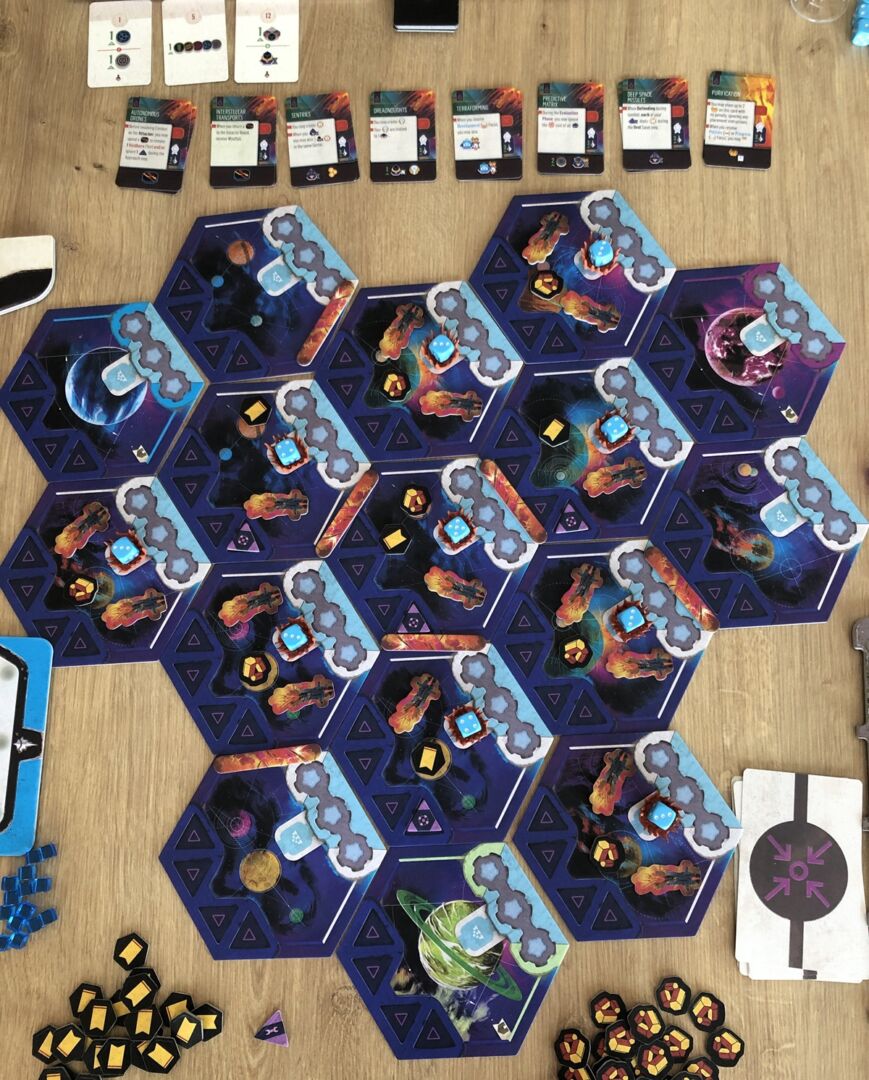
Of course, all of this sounds nice in theory, but in reality, there are limits. Before a crowdfunding campaign launch (4-5 weeks ahead of the date), we usually only have a handful of prototype copies available for content, as these are expensive to produce and ship, and the game is rarely completely finished at that point (around 75% – 80% done). So the question is not only who would like to cover the game, but who should receive one of these early copies.
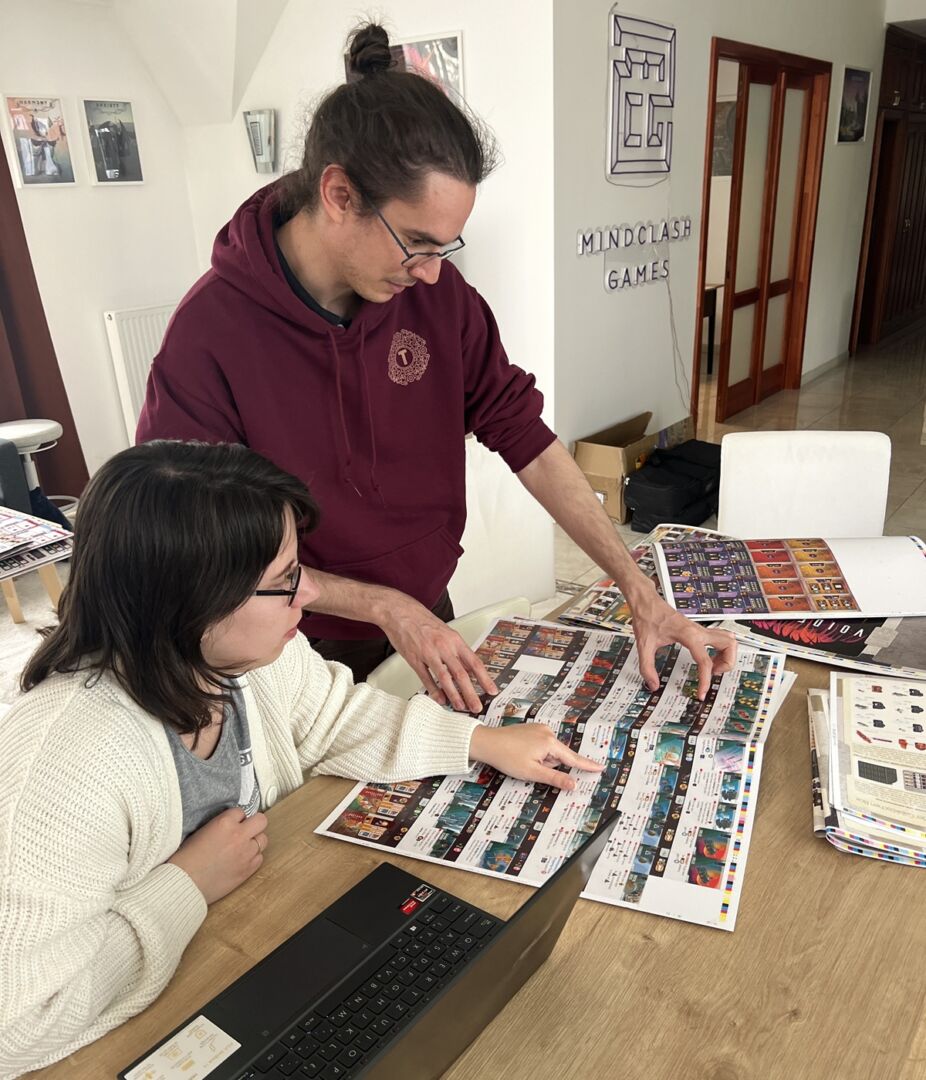
We tend to look for creators who are comfortable handling a game that is still evolving and who can present its most important features clearly. We also try to make sure the coverage complements itself rather than repeating the same angle over and over. Ideally, different channels can focus on different aspects of the game instead of competing with each other for the exact same views.
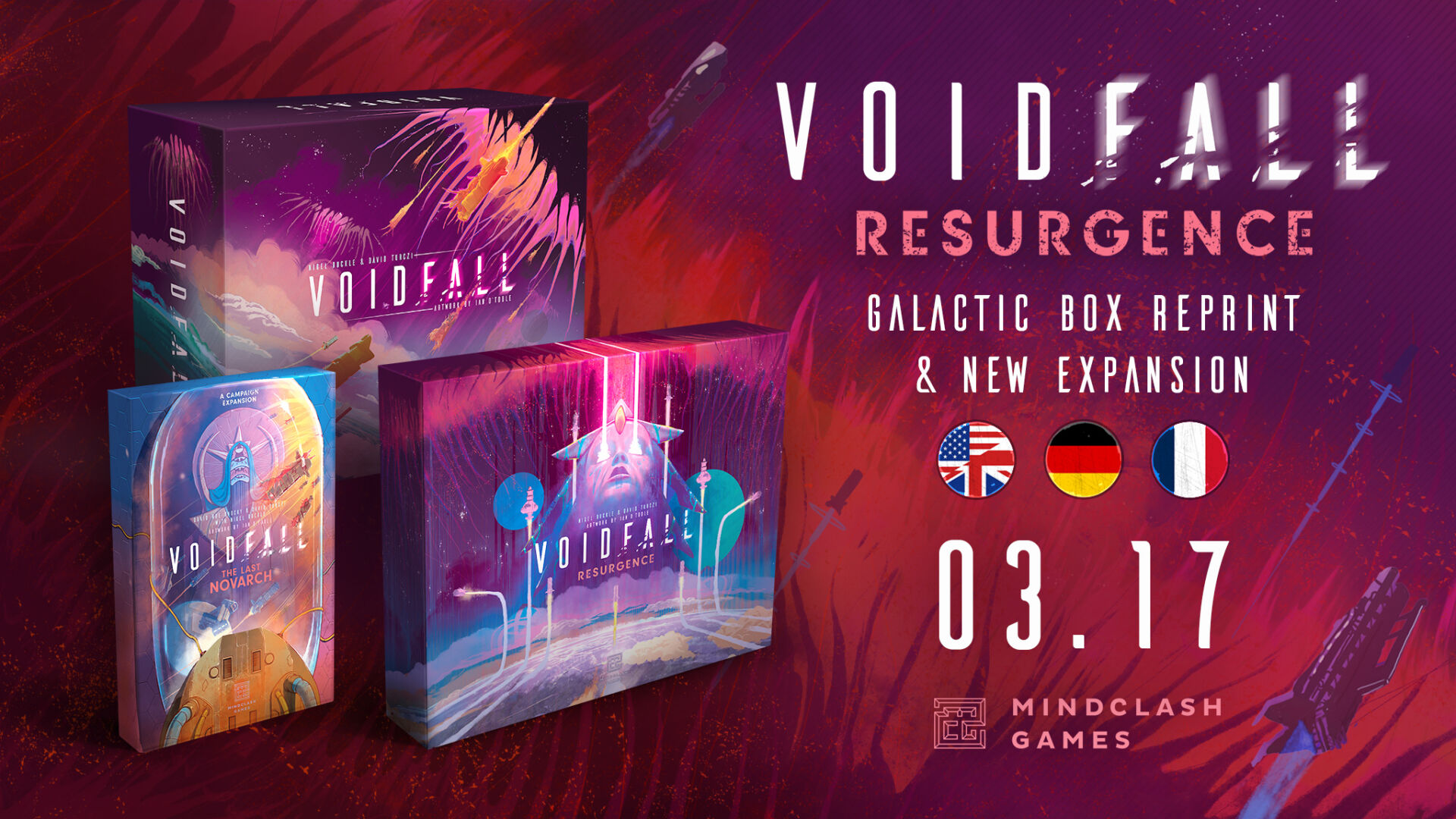
For crowdfunding project launches, we also usually agree on a shared embargo date and ask creators to go live on the same day, so everyone has an equal opportunity instead of competing for early views.With our upcoming campaign for Voidfall: Resurgence, for example, we reached out to creators who could highlight different sides of the experience: solo play, more aggressive scenarios, or parts of the expansion that introduce new mechanisms. Of course, not every project allows for that kind of differentiation. If the mechanics themselves do not allow it, then the format can vary instead; one creator might do a short overview, another a full playthrough, another a live session, or a detailed how-to-play. The goal is simply to avoid five videos that all look identical.
For us, this is less about control and more about fairness, both toward the creators and toward the players who are trying to decide whether the game is right for them. If someone is going to spend a significant amount of money and time on one of our games, we want it to be a good fit.
For retail releases, the priorities shift slightly. Visibility still matters, but accessibility and clarity become even more important. By this stage, the game is usually already manufactured and on its way to our logistics partners, so the focus is no longer on presenting something in development, but on supporting a finished product.
Retail buyers, whether store owners or individual customers, often need to quickly understand what kind of experience a game offers. This is where official how-to-play videos can play a bigger role. The type of creator who can communicate that clearly may not be the same person who does a deep strategic analysis for a heavy crowdfunding campaign.
Because of this, we never approach influencer marketing with a fixed template. Each game forces us to rethink the goal, the audience, and the type of coverage that makes sense.
Reaching Players in Their Own Language
Language is another important factor in the selection process. Board games are a very international hobby, and not all audiences consume content in English. In many countries, local creators have extremely strong and loyal communities. Their audiences trust them because they speak the same language, share the same references, and sometimes even play in the same local scene.If we are working on a localized edition of a game or collaborating with regional partners, it makes sense to think beyond English coverage. A complex strategy game explained in someone’s native language can feel much more approachable than the same explanation in a second language.
For crowdfunding campaigns, English coverage usually gives the project broader visibility. That is just the reality of crowdfunding. At the same time, we know that non-English speaking creators can reach players who might otherwise feel slightly outside of that conversation. The difficulty is mostly practical. As mentioned above, early prototypes are limited, timelines are tight, and translations are not always ready that far ahead of launch. So even if we would like to involve more regional creators during the campaign phase, it is sometimes challenging.
For retail releases, the situation is different. Once the game is manufactured and enters specific markets, local language coverage becomes much more important. Players who walk into a store or browse an online shop often look for information in their own language before deciding. In those cases, working with regional creators is not just a nice addition, it can be essential.
Just like with everything else in influencer marketing, it is not only about follower/subscriber numbers and views alone. It is about speaking to the right audience in a way that actually reaches them.
Paid Coverage and Independent Reviews
Payment is always a sensitive topic in influencer marketing, and in our industry, it is no different. For crowfunding campaigns, we do pay for certain types of coverage. When a creator spends significant time learning a complex game that is still in development, preparing a structured playthrough, or producing a detailed how-to-play video under relatively tight deadlines, that is professional work. It requires preparation, filming, editing, and often multiple takes to make sure the presentation is clear. We both see that as a service, and agree that service deserves compensation.
At the same time, we make a clear distinction between paying for someone’s time and paying for someone’s opinion. Reviews are not something we sponsor. If a creator chooses to review the final product independently, that is entirely up to them. If we are able to provide a review copy once the game is finished, we are happy to do so, but the evaluation itself is never something we try to influence.
Especially with more complex strategy games, we know that not every title will appeal to every player, and that is more than fine. Honest reviews, even critical ones, help people understand whether a game fits their taste and expectations. In the long run, it is better that someone decides a game is not for them than buys it for the wrong reasons.
Beyond influencer reviews, we also pay close attention to feedback from the wider community, particularly on BoardGameGeek. Community ratings, discussions, and overall rankings give us a broader picture of how a game is received over time. Influencer coverage may help people discover a game, but sustained reception comes from the players themselves.
Conventions and Special Coverage
Beyond crowdfunding campaign launches and retail releases, conventions are another important opportunity for a game to gain visibility. Shows create natural moments of attention: media is present, players are excited, and many content creators are actively looking for titles to feature in their “most anticipated” or “best of UKGE/GenCon/Essen SPIEL” etc. lists.
If your game can make it onto one of those lists, it can create meaningful exposure, especially among engaged hobbyists. That kind of visibility often feels more organic because it is connected to the excitement of the event itself!
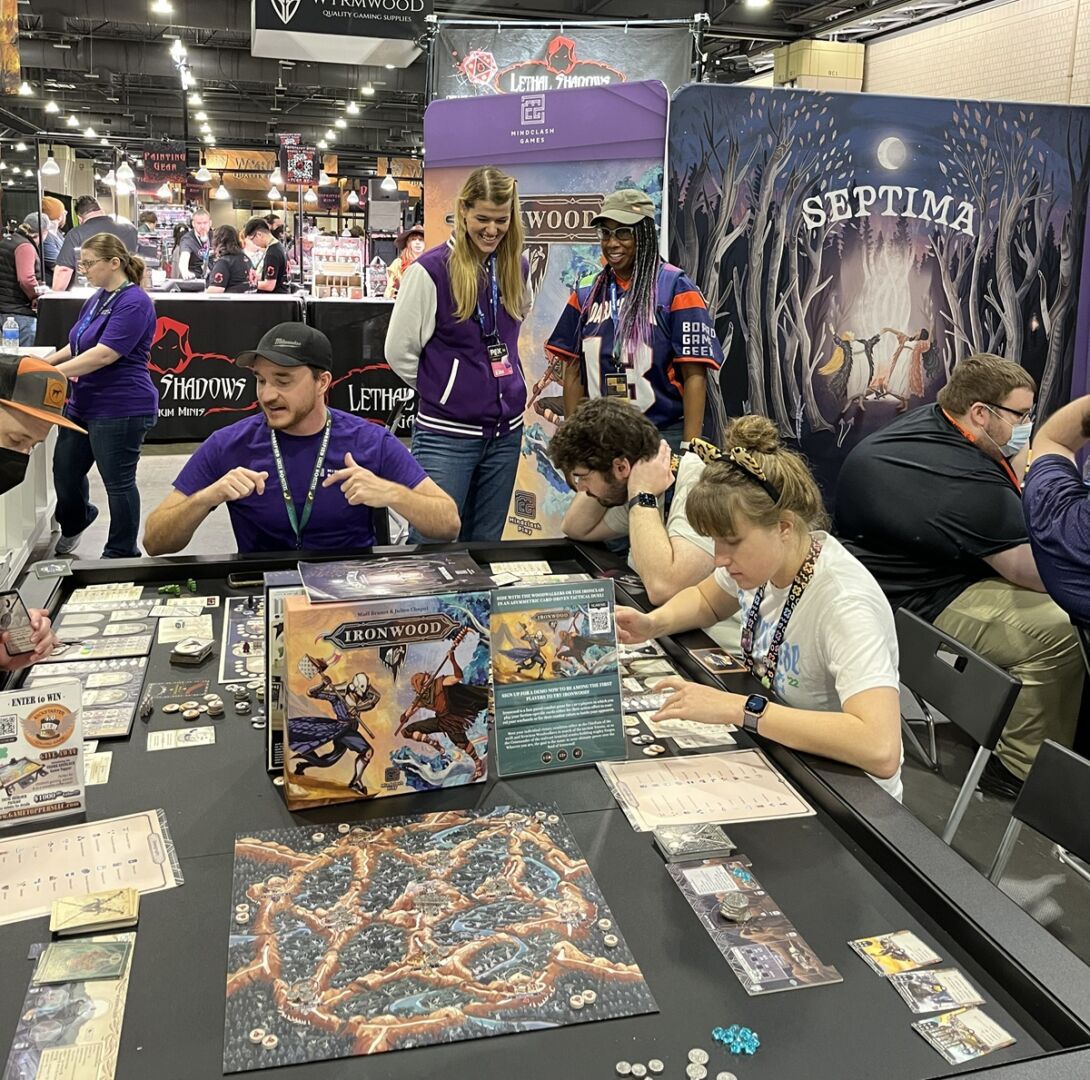
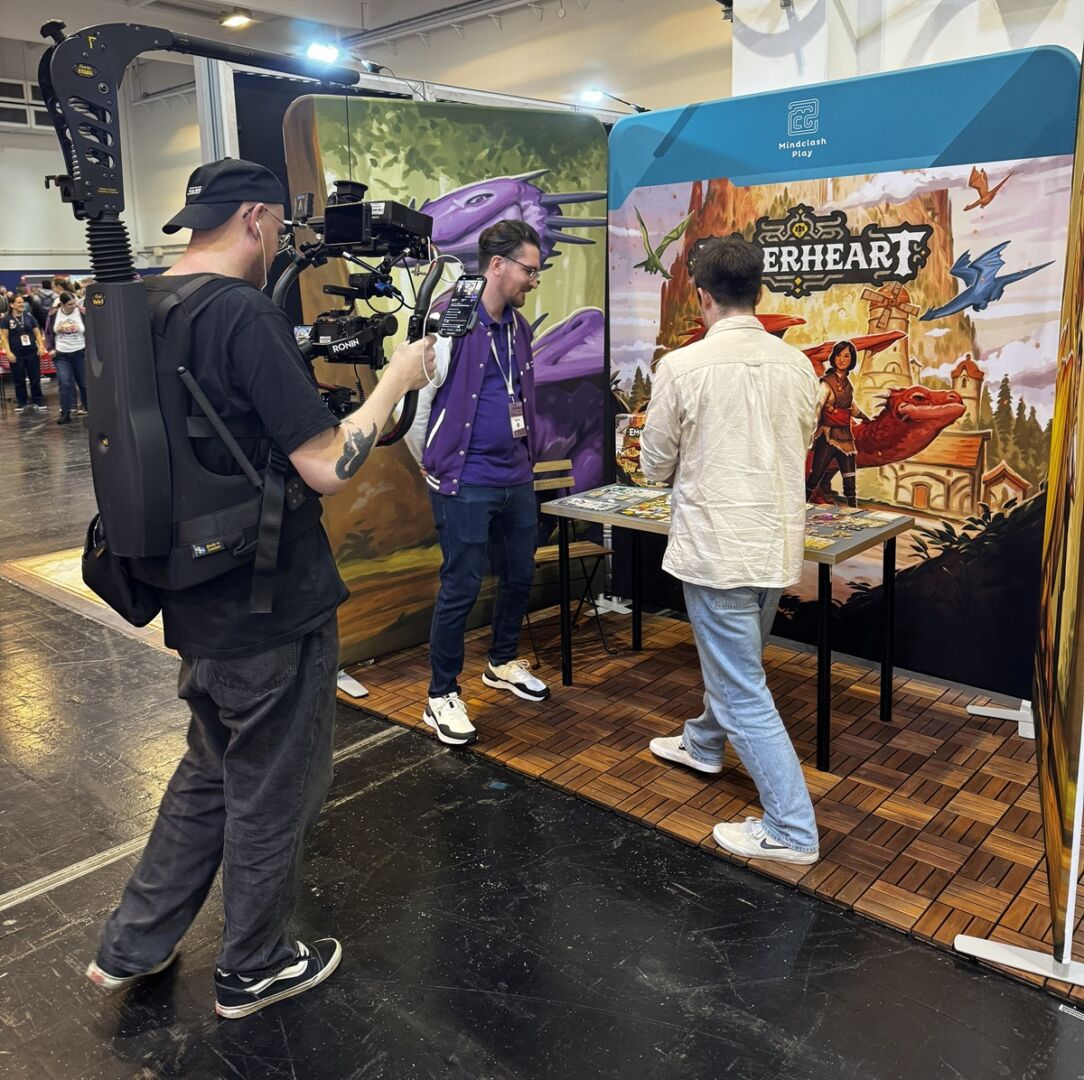
Conventions also allow for more structured media opportunities. You can organize interviews with designers, reserve demo tables specifically for media, or provide early, exclusive looks at upcoming projects. Just like with campaigns, the key here is to think about what kind of coverage makes sense for that specific game and that specific moment.
—
At the end of the day, influencer marketing in board games is not about being everywhere all at once or working with as many channels as possible. It is about understanding your game and its audience, and being honest about what kind of coverage actually makes sense.
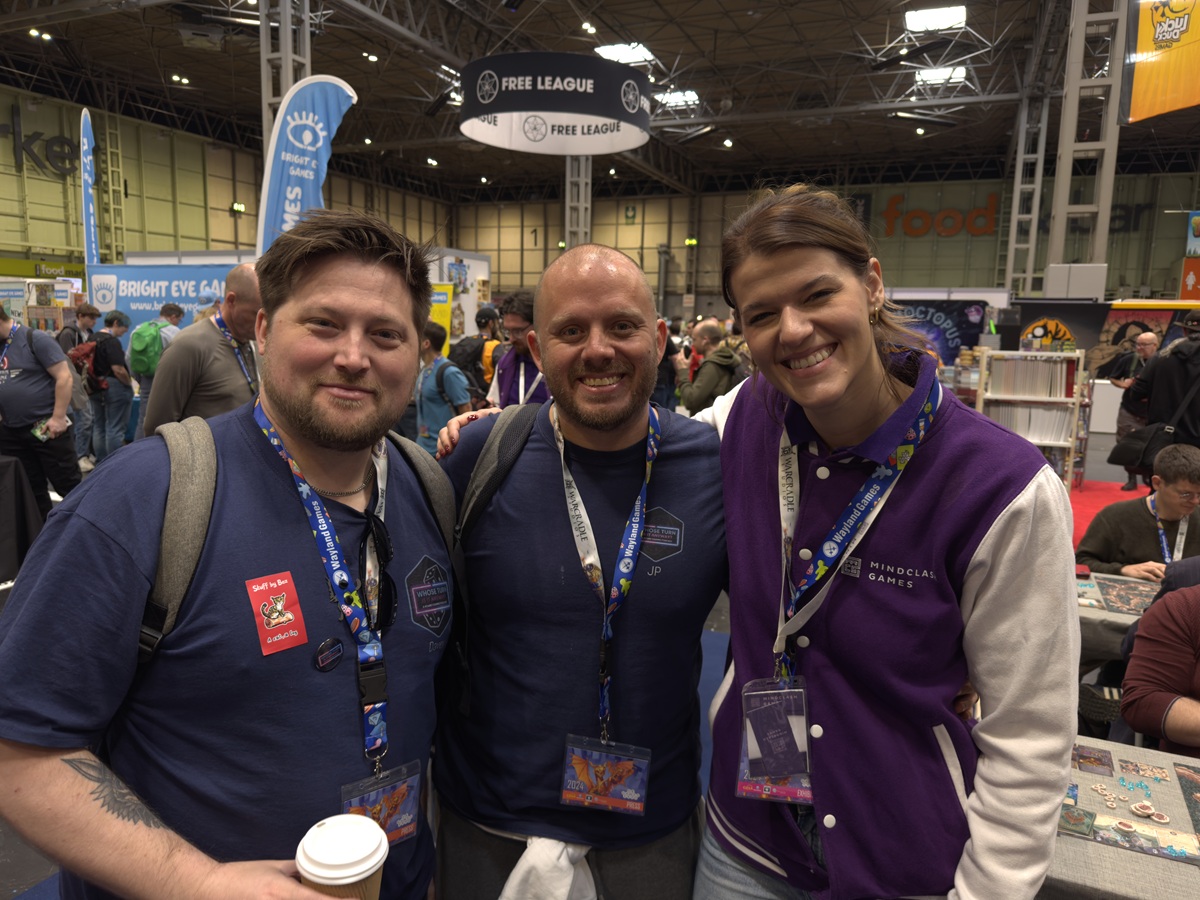
Content creators are part of the same hobby we are. They invest time into learning and presenting games, and their audiences trust them because of that. If the collaboration feels forced or purely transactional, people notice. Finding the right match takes more effort than simply chasing reach, but in the long run, it leads to stronger campaigns and players who feel confident in the games they choose.
And that is what ultimately matters.
Thanks very much for reading, I hope you found thoughts you can take with you when planning your marketing campaign for your next hit! 🙂