January 29, 2026
Designing for Reality: Cost Planning in Board Game Crowdfunding

Viktor Peter
CEO & Lead Game Designer
Crowdfunding has become one of the defining pillars of modern board game publishing. It enables ambitious projects, premium components, and direct relationships with players, but it also comes with a unique financial risk profile. Unlike retail, where demand can be tested and scaled gradually, crowdfunding compresses years of financial decisions into a single campaign.
As the CEO of Mindclash Games, financial planning, both at a company level and for individual projects, is a core part of my role. While retail pricing and cost structures have been analyzed extensively, especially in the light of the recent US , the cost-side realities of crowdfunding are discussed less often. This article aims to close that gap.
Rather than offering universal formulas or overly neat conclusions, I’ll walk through the main cost categories of a crowdfunding campaign, explain how they interact, and highlight the pitfalls that tend to catch creators off guard. The goal is not just to list numbers, but to help you think in scenarios.
Crowdfunding Economics: Uncertain Revenue, Rigid Costs
One of the defining characteristics of crowdfunding is that revenue is inherently unpredictable – particularly if you are not yet an established creator with a reliable audience. Costs, on the other hand, are not.
This imbalance makes cost planning absolutely critical. You need to be prepared for multiple funding scenarios and ensure that your project remains viable even in a conservative outcome. A campaign that succeeds on paper but fails financially in practice can easily end a young publisher.
Manufacturing: The Backbone of Your Budget
Every serious cost calculation starts with a manufacturing quote. This is the foundation of your entire financial model.
The specification sheet used for the quote should be as close to final as possible. Significant post-campaign changes, such as new components, upgraded materials, or additional stretch goals, can quickly derail even a well-planned budget. This means the spec must already include every option, add-on, stretch goal, and extra you might realistically introduce during the campaign.
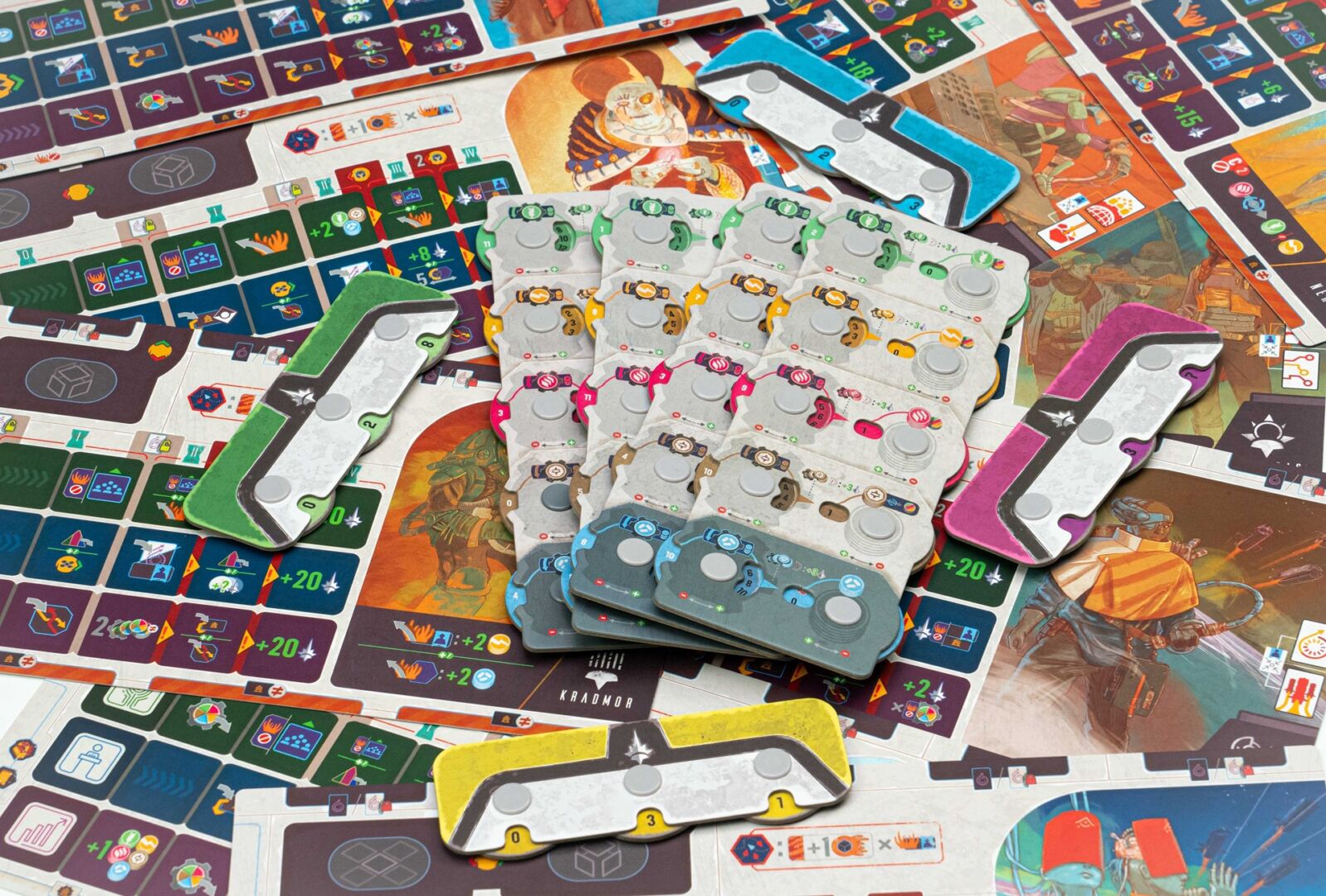
Backers will suggest additional ideas – some of them genuinely good. The hard part is having the discipline to say no when those ideas were not planned for.
Funding Scenarios and Minimum Order Quantities
Your manufacturing plan must work across multiple funding levels, including the worst-case scenario. This is especially tricky when dealing with multiple product types and variations (i.e. stock keeping units, or SKUs for short)
Each unique pledge level or product variant usually comes with its own minimum order quantity. Scattering your backers across too many SKUs can push unit prices up dramatically, even if total backer count looks healthy. In my experience, fewer, well-designed SKUs are almost always safer.
Tooling Costs and Miniatures
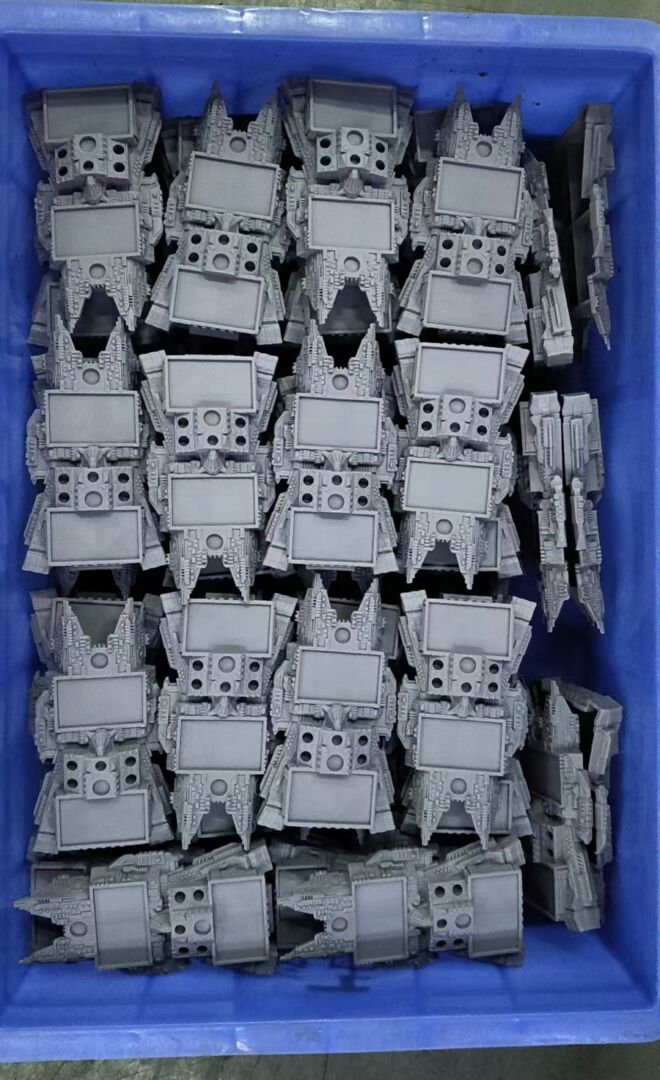
For miniature-heavy projects, tooling costs deserve special attention. Mold creation is a one-off fixed cost that can easily reach five figures. Taking on that risk only makes sense if you can reliably expect enough volume to amortize it. Otherwise, tooling alone can consume a disproportionate share of your budget.
Choosing a Manufacturer
If possible, get quotes from multiple manufacturers. At Mindclash Games, we work exclusively with Panda Games Manufacturing (even though they are not the cheapest option) because of their reliability, flexibility, and consistently high quality standards. For a first project, however, shopping around can make a significant difference.
For complex board games, Chinese manufacturers remain the only realistic option. While European or US production can work for simpler products, advanced components and miniatures are still largely outsourced to China, even by Western factories.In my experience, manufacturing accounts for roughly 30–45% of total project costs. It is the single largest cost category, but far from the only one.
Shipping and Fulfillment: The Second Giant
Shipping is typically the second-largest cost driver, usually making up 20–30% of the total budget, depending on size and weight. It consists of three main elements:
- Freight shipping (containers from China)
- Local fulfillment and last-mile courier delivery
- Duties, tariffs, and local taxes
Freight Shipping Volatility
Container prices are highly volatile. They follow some seasonal patterns, spiking before Chinese New Year and the Christmas period, but global events can disrupt both pricing and lead times without warning. Planning with generous buffers is essential. For EU fulfillment, rail freight can sometimes be a viable alternative worth exploring, especially if your project is time-sensitive.
Local Fulfillment and Couriers
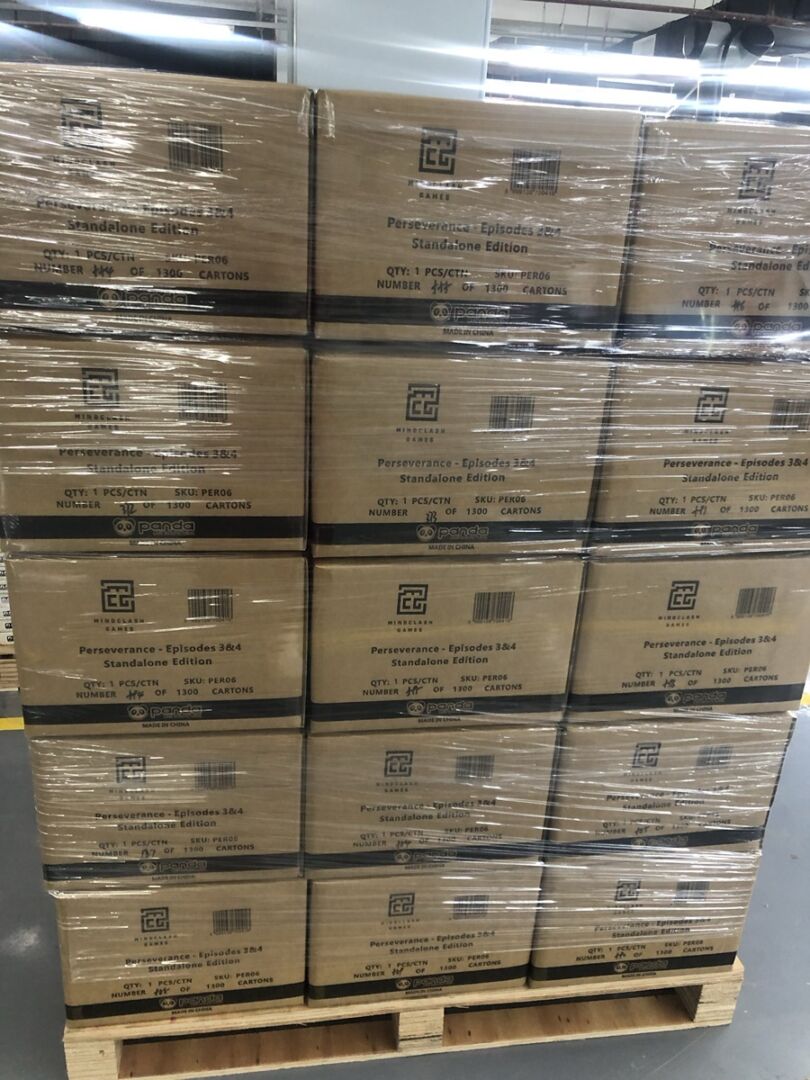
Courier prices are more stable but tend to increase year over year, typically by at least 5%. Large projects often take 4–6 weeks to fully ship from local hubs, even with proper advance notice.
A reliable fulfillment partner is worth paying a premium for. Good packaging and clear communication reduce support overhead significantly. I also recommend manufacturing a small number of empty replacement boxes for each hub, as damage happens, even with excellent packaging.
Tariffs, Duties, and Taxes
In the US, tariffs on Chinese goods are very likely here to stay. At the time of writing, they sit at 10%, which is manageable but must be budgeted for. As long as tariffs remain relatively low, I generally advise against adding a separate tariff surcharge for US backers. If they rise substantially, that calculation may change.
In most other regions, duties are modest, although Import VAT in the EU may apply.
Charging Shipping to Backers
Although shipping is almost always charged separately in crowdfunding, backers still perceive it as part of the total price. Passing 100% of shipping costs on to backers (especially in regions like the US where courier prices have exploded over the past years) can severely hurt conversion. Large discrepancies between major regions (EU, US, UK) are also poorly tolerated.
Royalties: Paying for Creative Value
Designer royalties are your final major variable cost. These typically fall between 5–10% of net revenue, depending on the designer’s reputation, involvement, and the complexity of the game.
Some designers stay deeply involved throughout development; others prefer a more hands-off role. Aligning expectations early is crucial.
In today’s oversaturated market, a designer’s name can carry real marketing weight. While first-time designers can produce outstanding work, established designers who inspire confidence are often worth the higher royalty percentage.
Platform Fees: The Silent Percentage
Platform fees are easy to overlook because they feel abstract, but they add up to roughly 9% of total funds raised.
Crucially, this percentage applies to everything: pledge amounts, add-ons, shipping, and even VAT collected in the EU. Always calculate fees on the gross amount, not just the product price!
Fixed and Semi-Fixed Costs: The Hidden Bulk
Beyond the scalable costs above, a crowdfunding campaign comes with many smaller, often one-off expenses. Collectively, these can account for 25–30% of your total budget, and sometimes more.
Art and Graphic Design
If you are choosing crowdfunding, this is not where you should cut corners. Visual quality of your game and project page directly affects trust and conversion.
As a rough benchmark:
- Cover illustration: $2,000–4,000
- Card or small illustrations: $100–300 each
- Miniature sculpting: $100–500 per sculpt
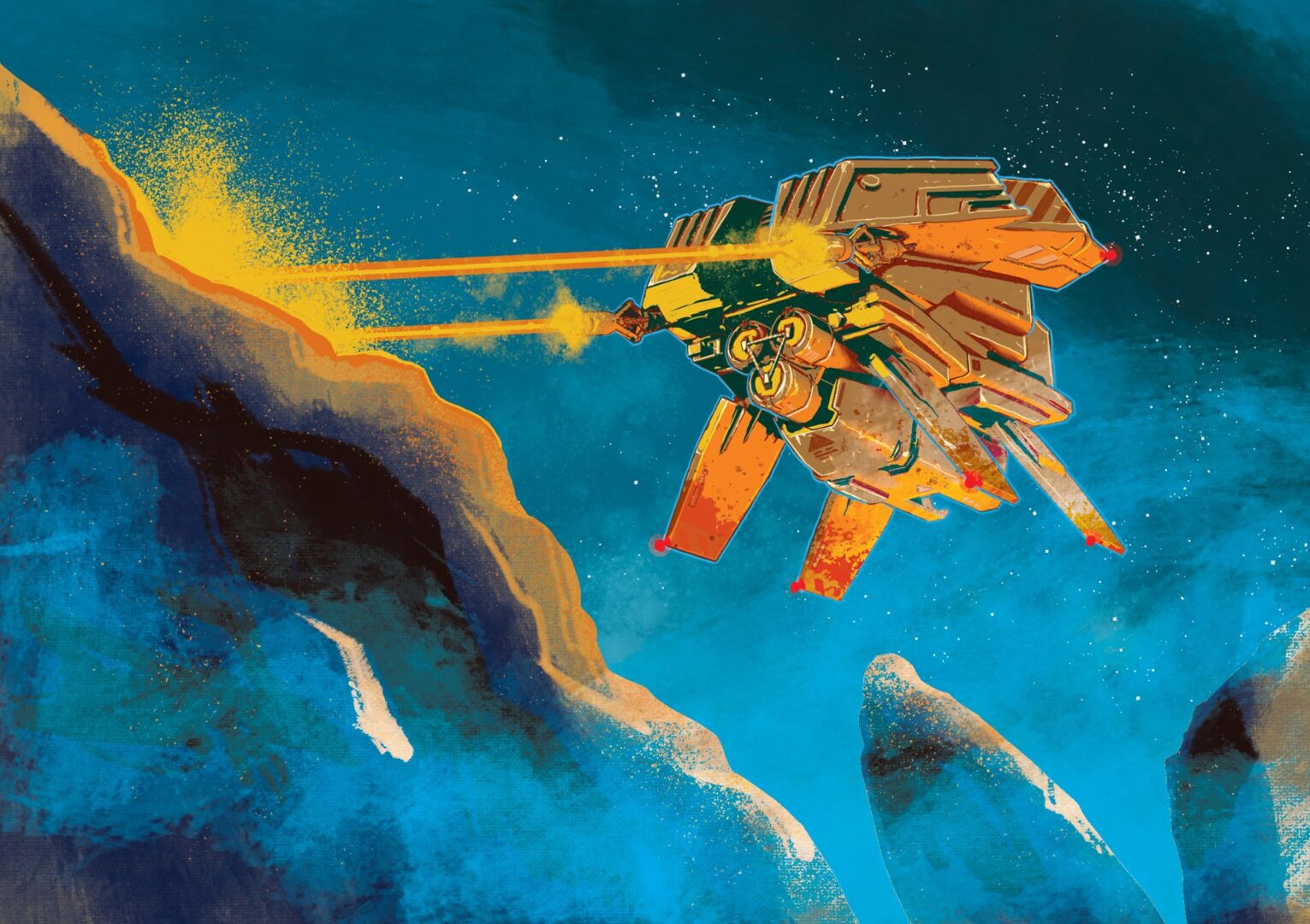
Well-known artists bring marketing value through their style alone. Top-tier artists may also ask for a small percentage on top of their fixed fee. If you don’t have in-house capabilities, I recommend budgeting for additional campaign-specific assets – your project page must look exceptional!

Reviewers and Content Creators
Preview and playthrough videos are essential. Unpaid coverage for unreleased games is extremely rare, so expect to pay anywhere from a few hundred to several thousand dollars, depending on reach and content length.
Because these are paid previews, creators are unlikely to voice strong criticism or an overly positive review. The goal here is to find the creator who can best showcase and explain the game so your audience can make an informed decision if the game is for them. The key is fit: choose creators whose audience aligns with your game. Aim for at least two videos ready at launch.
Prototypes
Professional prototypes are non-negotiable – they will be on camera. A high-quality prototype typically costs $200–300, more if it includes 3D-printed miniatures. Some manufacturers offer this service, or you can work with specialized companies (our preferred partner is Kártyagyár alias Viktor Csete).
Project Video
While project videos may be slightly less critical than they once were, they still shape first impressions. We usually aim for a sub-90-second video split between theme and gameplay.
Outsourcing a high-quality video can cost several thousand dollars. If done well, segments can also be reused as GIFs on the campaign page – sparingly.
Advertising
Advertising deserves its own article. Budgets can range from a few hundred dollars to tens of thousands.
As a rule of thumb, the more niche and expensive your game, the less efficient broad social media advertising becomes. For projects like ours, targeted placements -industry newsletters, BoardGameGeek promotions, contests, and convention presence – often deliver better results and long-term word of mouth.
A Note on Development Costs
I have intentionally left game design and development costs out of this breakdown, not because they are insignificant, but because they vary too widely to generalize.
For many publishers, most design work is compensated through royalties, and internal development is handled in-house. Breaking this down per project is often impractical and misleading.
Closing Thoughts: Planning for Reality, Not Optimism
Crowdfunding enables bold, premium board games, but only if the financial groundwork is solid. The biggest mistake I see is planning around best-case outcomes instead of resilient ones.
Ask yourself: Would this project still work if funding lands at the lower end of expectations? Have I priced in uncertainty, delays, and volatility?
If the answer is yes, you are already ahead of the curve. Thoughtful cost planning won’t guarantee success – but without it, success is often short-lived.